
How to Search Criminal Dockets
For Superior Court, begin at Georgia Courts E-Access to Court Records. Pick the Twiggs Superior entry and you land on PeachCourt. The state directory notes that an account is required. Registering is free, but pulling a document image may bring a provider charge. Enter the exact case number if you have it. A party-name search option may appear after sign-in.
Not every Twiggs County criminal docket sits on that portal, though. Magistrate Court may hold warrants, first appearances, bonds, preliminary hearings, county ordinance matters, and specified bad-check cases. Probate Court keeps county traffic citations. A city citation can name a municipal court. The official clerk directory lists no Twiggs State Court.
- Read the notice, citation, accusation, or indictment and identify the court.
- For Superior Court, open E-Access and follow the Twiggs link to PeachCourt.
- Sign in, select Twiggs and Superior, then enter the exact case number or available party name.
- Open the case information page and compare the status, settings, proceedings, and each count.
- Ask the court clerk for a missing document, certified copy, or corrected entry.
Twiggs Criminal Dockets on PeachCourt
PeachCourt keeps docket search and e-filing separate. Its help material walks through Search, then Cases. Controls cover county, court, and case number. Ignore the green "File into this case" button. That one submits a filing rather than opening a public Twiggs County criminal docket. The case page can display the judge, status, attorneys, co-defendants, charges, dispositions, calendar events, docket proceedings, and documents. Coverage varies by court.
Two things stay distinct here: the case register and the document store. A register line may confirm an item was filed yet still block its image. When an entry reads N/A or lacks a View button, PeachCourt says it may be sealed, restricted, excluded, or need manual retrieval. Try a Request Documents control if one appears. Or contact the Twiggs County Clerk of Superior Court.
Note: An online docket entry is not a certified copy. It does not replace the item filed with the Twiggs County clerk.
What a Criminal Docket Shows
Uniform Superior Court Rule 39.3 sets the official layout of a Twiggs County criminal docket. Read the header first. Then move down the register in date order. The action number, filed date, defendant, counsel, assigned judge, and charging instrument pin down the case. Further rows may record pleas, settings, proceedings, disposition, sentence, costs, and restitution. Still more may list warrants, transcripts, appeals, and remittitur.
| Case number | A unique action number, such as the official format example 2023-F-069. |
|---|---|
| Charge and count | The indictment or accusation and each alleged offense, which must be read separately. |
| Calendar event | An arraignment, motion hearing, calendar call, trial, plea, or sentencing setting. |
| Plea | The formal response and date, with negotiated status when recorded. |
| Disposition | The count-specific result and date, such as dismissal, nolle prosequi, guilty, or not guilty. |
| Later review | A notice of appeal, transcript entry, sentence review, or remittitur returning the case. |
Counts can end differently inside one Twiggs County case. So one line never settles them all.
Twiggs Criminal Docket Number Pattern
Uniform Rule 36.9 lays out a year, a case type, and a consecutive number. Judge-assignment context rounds out the pattern. The July 2025 Twiggs felony-list format used 2023-F-069 as its example. Punctuation matters here. Copy the number exactly as the court prints it, hyphens included. Added or dropped marks can break a provider match.
Keep the felony list in perspective. Issued under Rule 39.3.1, it is a narrow public status report. It is not the complete Twiggs County criminal docket, and it replaces neither PeachCourt nor the clerk's file. Treat it as a checkpoint. Then check the full chronology for settings, pleas, count-by-count outcomes, sentence terms, and appeal activity.
Stages on a Criminal Docket
The clerk records each formal act, and the Twiggs County criminal docket grows accordingly. The filing or charging instrument opens the court record. Arraignment logs the defendant's response. Pretrial entries may cover motions, discovery-related filings, bond matters, calendar calls, and continuances. From there, a plea or trial can yield a disposition. Sentence entries and any later appeal follow behind.
Docket flow: Filing › Arraignment › Pretrial › Plea or Trial › Disposition › Sentencing
Steps rarely form one clean line. A setting may reset, one count may be dismissed while another moves ahead, or a remittitur may return after appellate review. So read the date, the event label, and the linked order together.
Twiggs Criminal Docket Labels
Labels carry weight. A charge is an allegation, not a result. An indictment is a felony charging instrument, while an accusation is another charging document used in specified prosecutions. A plea is the defendant's formal response. The sentence comes later, in an order that may hold a term, conditions, costs, a fine, or restitution. Collapsing these into one event distorts the record.
- Nolle prosequi
- The prosecution stops a charge; preserve the court’s exact label.
- Dead docket
- An inactive criminal posture that requires the related order and context.
- OBTS number
- A criminal disposition-reporting identifier, not the court’s case number.
- Remittitur
- The appellate return to the trial court after review.
A dismissal and nolle prosequi are not the same thing. Nor does "not guilty" mean no result. On a Twiggs County criminal docket, the entry and its date control.
Which Court Holds Criminal Dockets
Twiggs County Superior Court records hold felony trials and the court's broad criminal jurisdiction. The Twiggs County Clerk of Superior Court keeps the files. PeachCourt serves as the main online route. Juvenile Court links administratively to that clerk. But juvenile records carry special confidentiality, and they are not ordinary adult criminal dockets.
Twiggs County Magistrate Court takes warrants, first appearances, bonds, and preliminary hearings. It also hears county ordinance and animal-control matters, plus listed misdemeanor bad-check cases. Twiggs County Probate Court handles county traffic citations. Once you know the court, call the right number. Superior is (478) 945-3350, Magistrate is (478) 945-3428, and Probate is (478) 945-3390.
Twiggs Docket Rules and Safety
Court rules govern how a docket gets built and kept. The Supreme Court of Georgia rules page shows the official rules that shape docket practice and appellate review in Twiggs County courts.
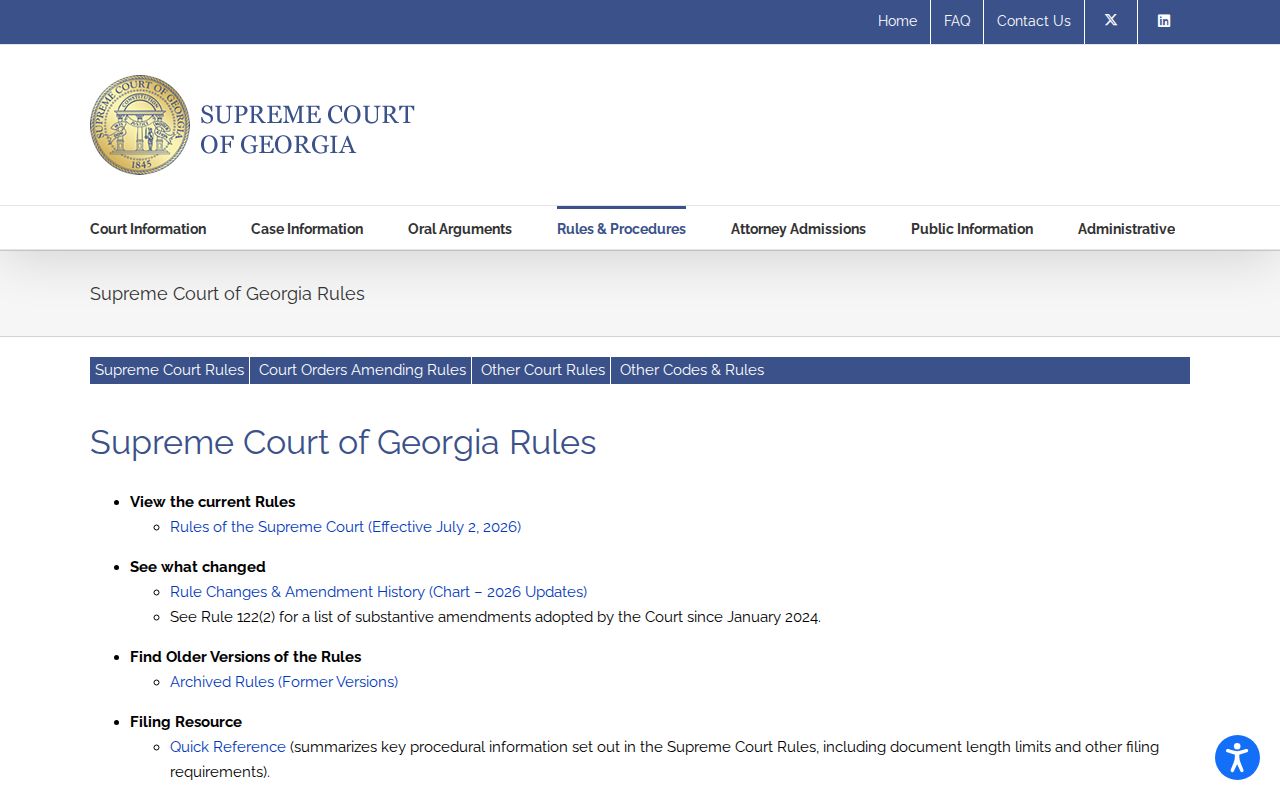
Reading a Twiggs County criminal docket gets easier once you know which fields the rules require. The rules also help you tell that apart from whatever a vendor screen happens to show. Separately, Twiggs County reported courthouse Stop the Bleed training and safety kits for staff and visitors.
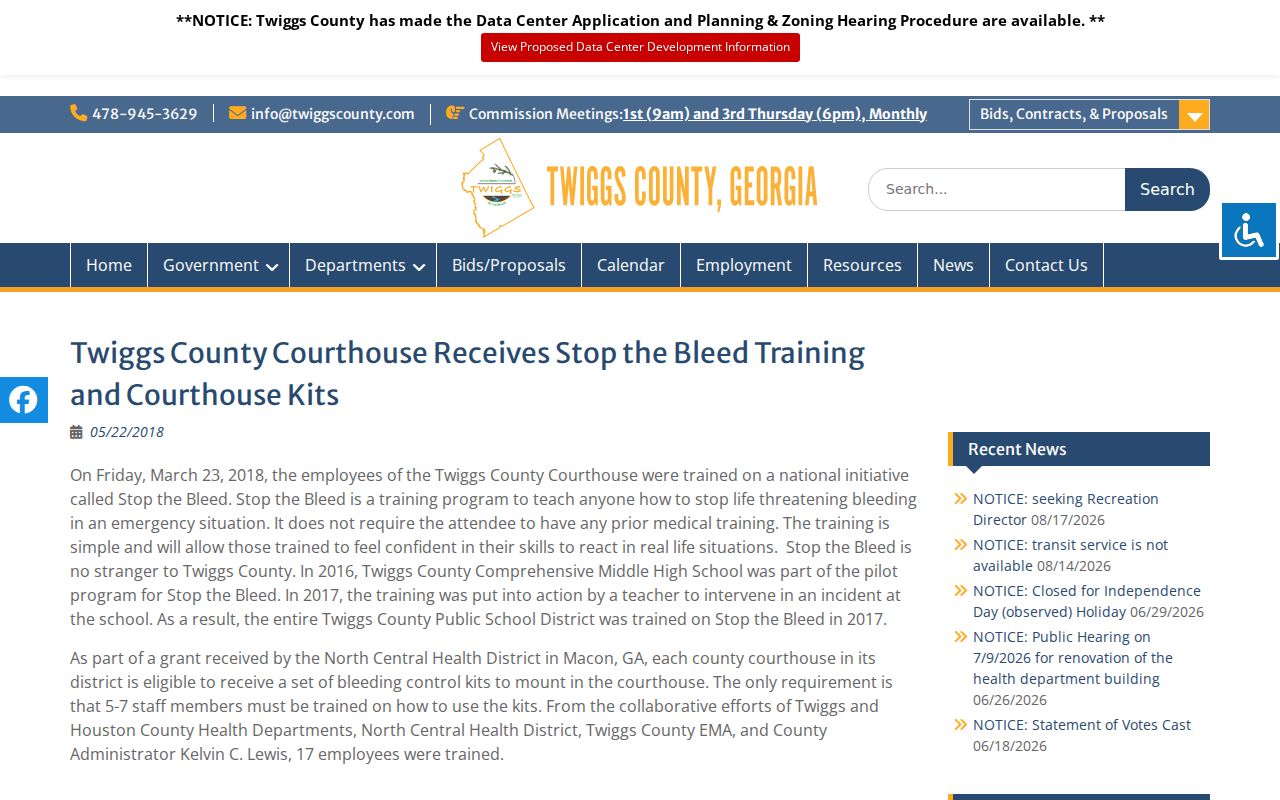
That notice is not a docket source. It does confirm that an in-person Twiggs County records visit happens in a courthouse that is actively managed.
Missing Twiggs Criminal Docket Documents
Sometimes a Twiggs County criminal docket lists a case but a document will not appear. Look first for N/A, a missing View button, or a Request Documents control on the page. Before you call anyone, write down the case number, the document title, the filing date, and the format you need. PeachCourt lists paid document access. The clerk controls certified copies. The clerk can also explain whether an item is not scanned, stored offsite, manually retrievable, or restricted.
Direct contact still matters. Visit the right courthouse office at 425 Railroad Street North. You can also call the Superior clerk at (478) 945-3350. Or fax that office at (478) 945-6751. Put the case, item, date, and copy type in any written or mailed request. Ask about format, payment, and delivery before you send money.
Public Access and Sealed Criminal Dockets
Georgia Superior Court records are presumed open unless a law or court order says otherwise. That presumption has limits. It does not make every field or image in a Twiggs County criminal docket public. Protected identifiers must be redacted. Juvenile material has its own confidentiality rules. Sealed or restricted documents may be withheld from the provider view, and a missing web result decides nothing about legal status.
Key rules:
Uniform Superior Court Rules 21 through 21.6 set the open-record presumption and sealing process.
Georgia Open Records Act, O.C.G.A. §§ 50-18-70 through 73 addresses public access, exceptions, and electronic access where practicable.
O.C.G.A. § 15-6-61(a)(8) is discussed in the Attorney General’s opinion on open Superior Court files.
Ask the Twiggs County clerk whether a document is open for inspection or copy. The clerk can explain the process, but only a court can resolve a sealing dispute.